

Weighted blanket for younger or older children – what parents should pay attention to




Tested for harmful substances
Anatomically adjustable
Removable cover
Weighted blanket for younger or older children – what is the difference?
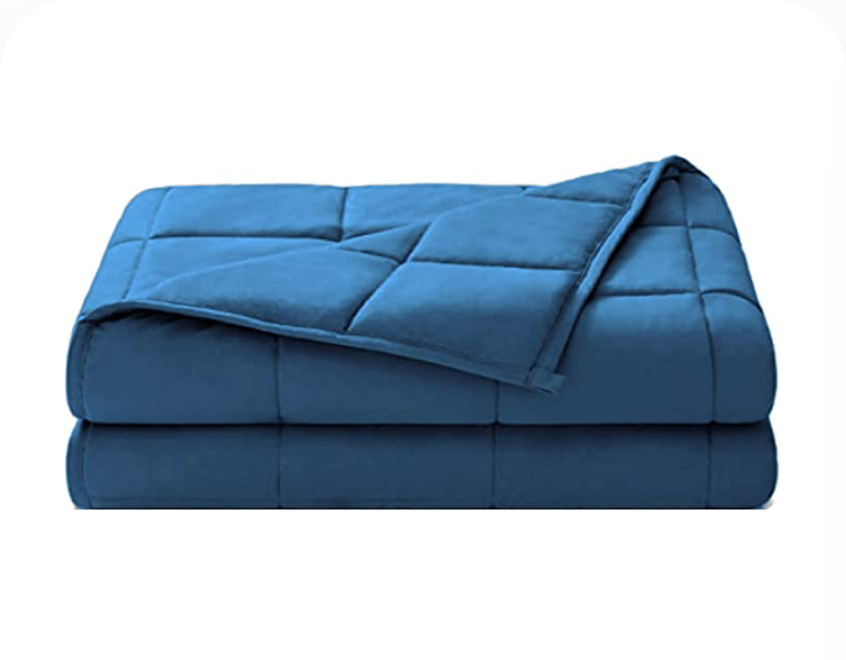
The most important answer first: Age alone isn't the deciding factor – it's the interplay of weight, development, and individual needs. Nevertheless, younger and older children often have different requirements for a weighted blanket. This page will help you better understand this.
What applies to all children
A weighted blanket should always: fit the child's body weight, remain freely movable, be perceived as comfortable, and be used voluntarily. Your child's feelings are the most important benchmark.
Younger children (nearby) & Security)
Z.B. Kindergarten & Early primary school age. They are more body-oriented and seek closeness. & Security.
The ceiling can: To provide a feeling of being enveloped and to help with the transition to sleep.
Older children (rest for the head) & Body)
Z.B. Later primary school age. They think more complexly and are often "physically tired but mentally alert" in the evenings.
The ceiling can: To help you wind down, reduce mental chaos, and bring focus back from your head to your body.
The most important differences at a glance
| aspect | Younger children | Older children |
|---|---|---|
| primary need | Vicinity & Security | Quiet & regulation |
| Effect of the blanket | enveloping | stabilizing |
| use | accompanied | self-determined |
| Fall asleep | facilitating the transition | Calming thoughts |
| communication | Body signal | verbal feedback |
Frequently asked questions from parents
From what age is a weighted blanket suitable?
What matters is weight, development and well-being – not a fixed age limit.
Can my child be "too old" for a weighted blanket?
No. Many older children appreciate them precisely because of their conscious effect.

More sleep optimizers