

Sleep after mental exhaustion | When your head won't let go



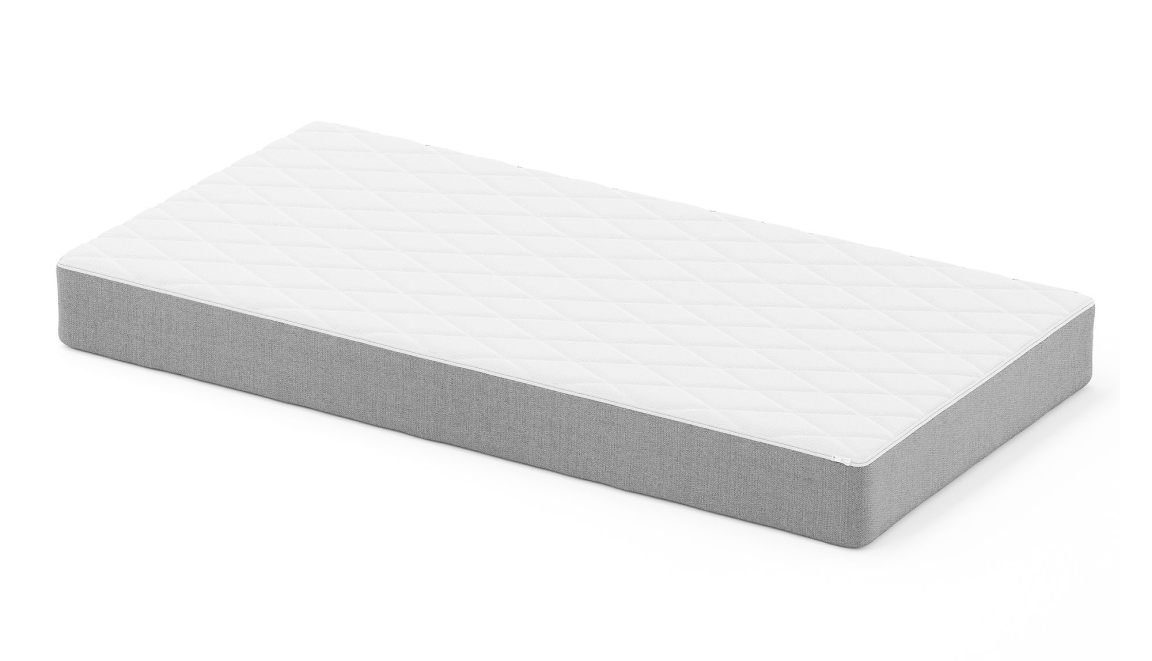
Tested for harmful substances
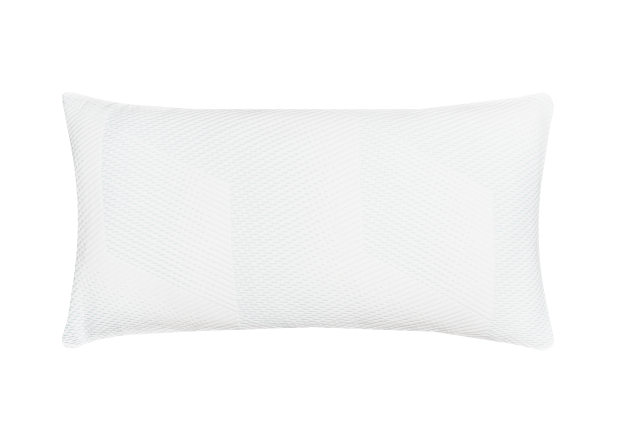
Anatomically adjustable
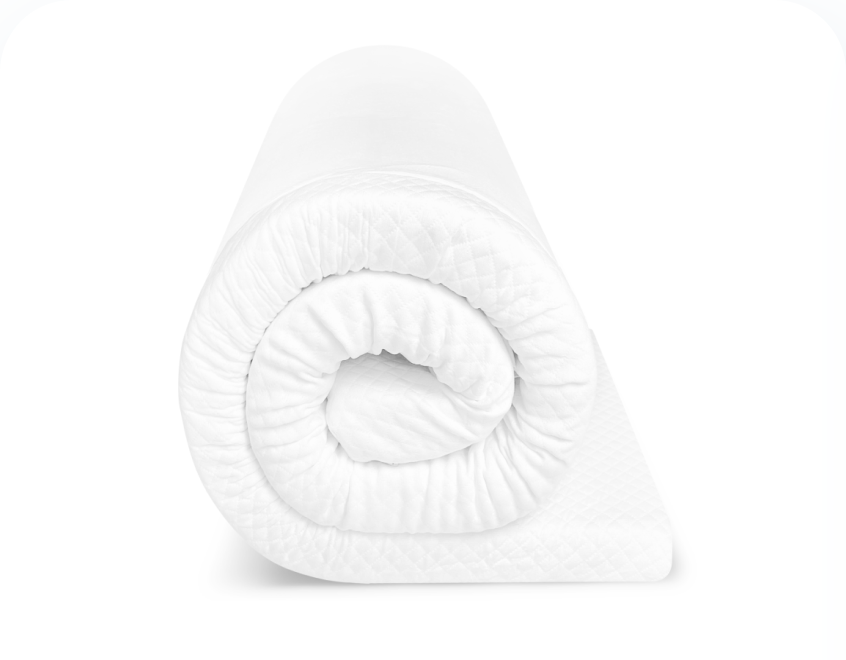
Removable cover
Sleep after mental exhaustion – when thinking won't stop
Mental exhaustion feels different than physical exhaustion.digkeit.Der My head is full. Empty at the same time.
Thoughts continue to run – even when nothing else matters. geht.Abends You are exhausted, and yet sleep still won't come.
👉 That is not a contradiction. It is typical of mental overload.
Why being mentally tired doesn't automatically mean being ready for sleep
Mental work keeps the nervous system active: decisions, responsibility, constant evaluation and permanent switching.
Even when the body is at rest, the system remains set to perform.
👉 But sleep requires something else: Release & Security.
Typical signs of mental exhaustion
Many affected individuals report:
- Thoughts “continue”
- inner emptiness and inner restlessness simultaneously
- Falling asleep takes a long time
- Sleep doesn't feel restful.
- morning exhaustion despite sleep
👉 The body does not exit functional mode.
Why classic relaxation often doesn't help
Mental exhaustion cannot be "relaxed away". Meditation stays in your head, breathing exercises require energy, and distraction keeps you active.
👉 The body needs clear, passive signals, that require no performance.
What really helps the body after mental exhaustion
The following are often helpful:
- consistent, predictable stimuli
- little room for decision-making
- physical limitations
- quiet, constant environment
👉 Not another technique, rather Fewer stimuli and more support.
Gentle support for mental regeneration
Many people with mental exhaustion benefit from:
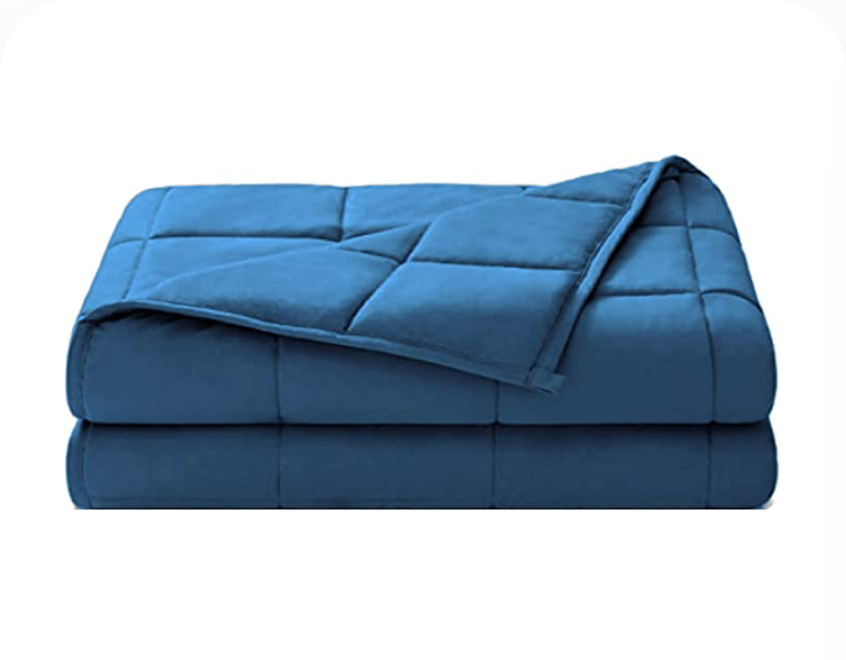
- Weighted blankets (even pressure, no action required)
- quiet materials without sensory distractions
- stable sleeping climate (not too warm, not changeable)
👉 The body is allowed to react passively – the nervous system can calm down.
👉 Discover support for regenerationRecovery begins where performance ends.
After mental exhaustion, sleep needs no optimization, no self-control, and no goals.
But conditions in which the body no longer needs to function.
More sleep optimizers