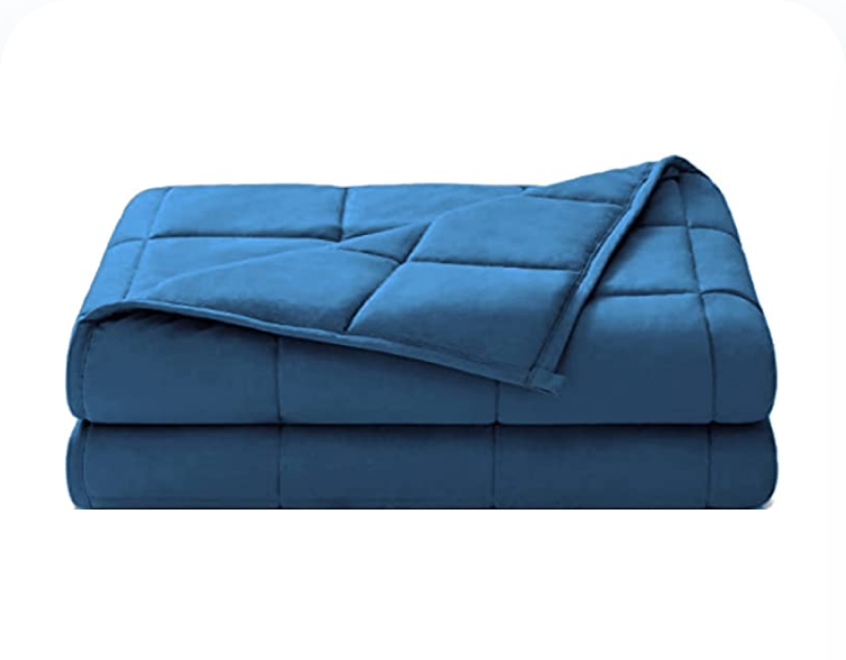


weighted blanket for younger or older children – what parents should pay attention to




Tested for harmful substances
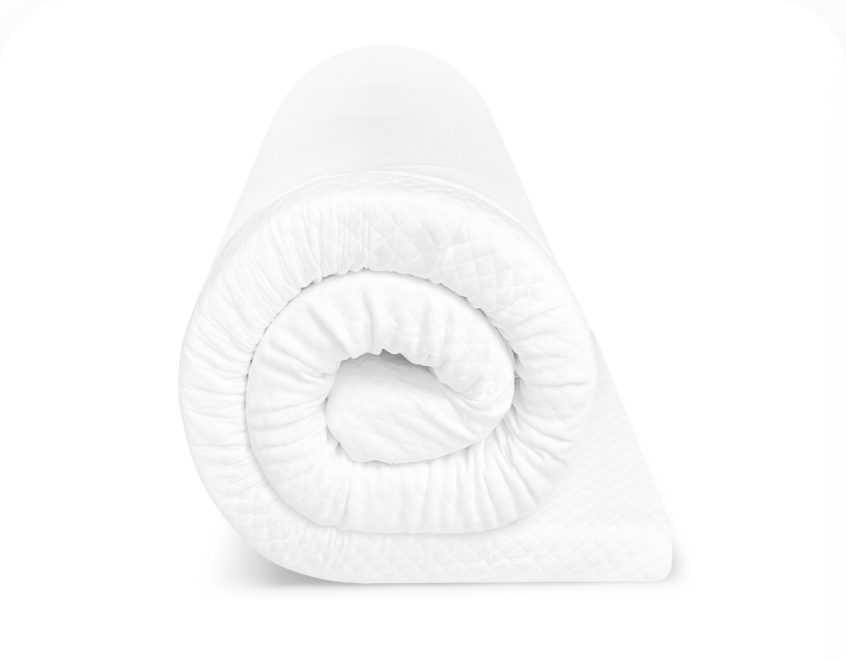
Anatomically adjustable
Removable cover
weighted blanket for younger or older children – what is the difference?
The most important answer first: Age alone isn't the deciding factor – it's the interplay of weight, development, and individual needs. Nevertheless, younger and older children often have different requirements for a weighted blanket. This page will help you better understand this.
What applies to all children
A weighted blanket should always: be appropriate for the child's body weight, allow for free movement, be perceived as comfortable, and be used voluntarily. Your child's comfort is the most important factor.
Younger children (proximity & safety)
Z.B, kindergarten & early primary school age. They are more body-oriented and seek closeness & security.
The blanket can: provide a feeling of being enveloped and help with the transition to sleep.
Older children (rest for mind & body)
Z.B, later primary school age. They think more complexly and are often "physically tired but mentally alert" in the evenings.
The blanket can: help you wind down, reduce mental chaos, and bring focus back from your head to your body.
The most important differences at a glance
| aspect | Younger children | Older children |
|---|---|---|
| primary need | Proximity & Safety | Rest & Regulation |
| Effect of the blanket | enveloping | stabilizing |
| use | accompanied | self-determined |
| Fall asleep | facilitating the transition | Calming thoughts |
| communication | Body signal | verbal feedback |
Frequently asked questions from parents
From what age is a weighted blanket suitable?
What matters is weight, development and well-being – not a fixed age limit.
Can my child be "too old" for a weighted blanket ?
No. Many older children appreciate them precisely because of their conscious effect.

More sleep optimizers