Sleep & regulation simply explained | glossary




Tested for harmful substances
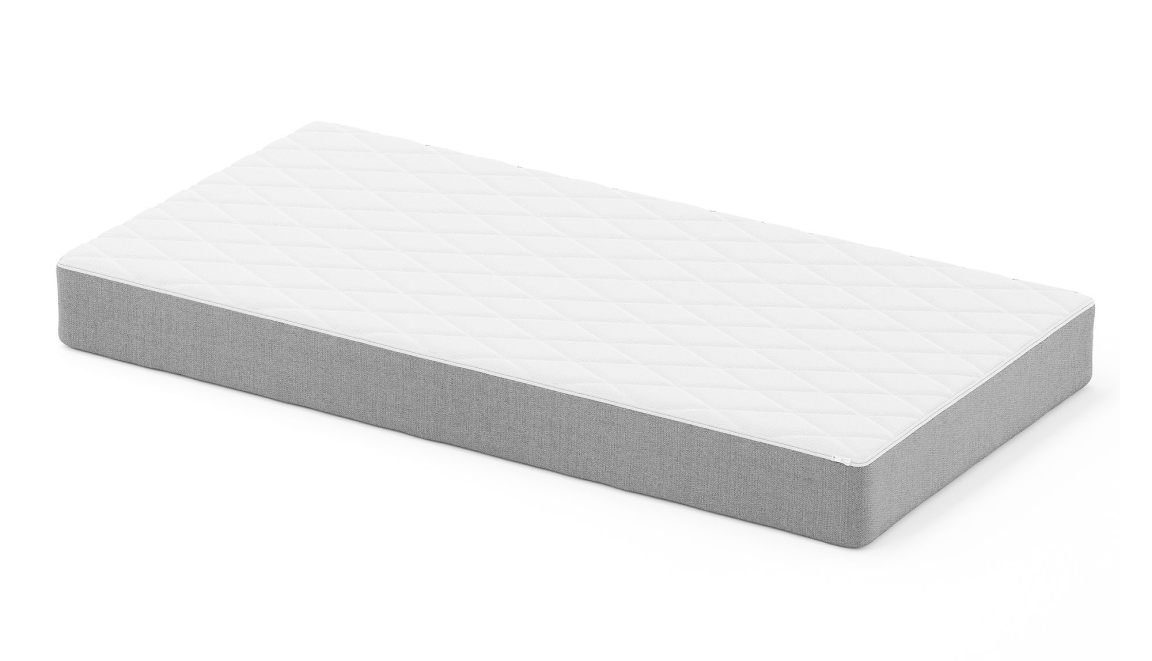
Anatomically adjustable
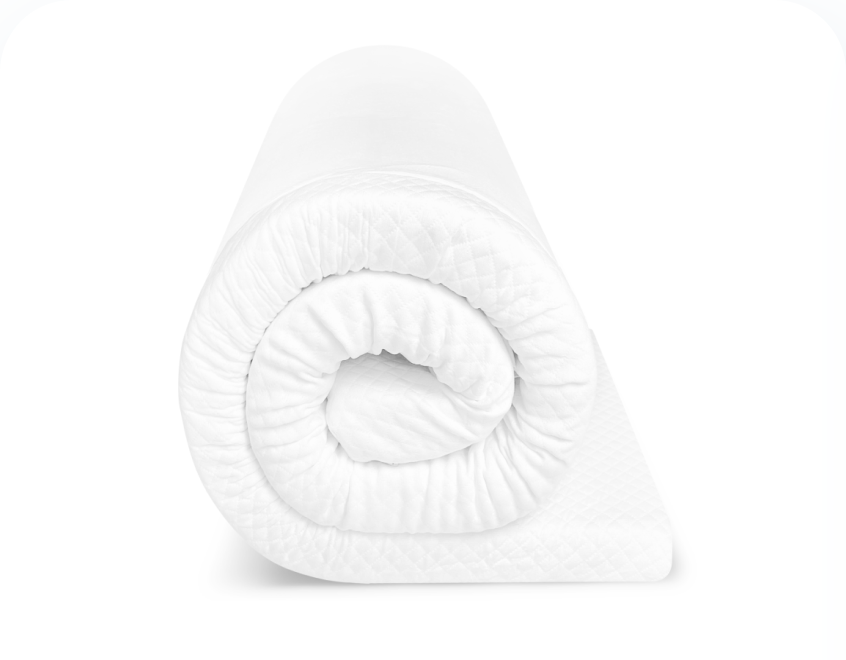
Removable cover
Sleep & Regulation – terms explained simply
Many terms are used in connection with sleep, stress, and exhaustion. auf.Oft They are used – but rarely explained in an understandable way.
This glossary helps you understand connections without jargon, without pressure, without judgment.
The most important terms related to sleep & nervous system
Activation state
A state of the nervous system in which the body is awake, alert, and ready to perform. ist.Hilfreich During the day – it hinders falling asleep.
👉 Opponent: Calm- & Regulatory state
Autonomic nervous system
The part of the nervous system that works automatically – without conscious thought Kontrolle.Er It controls, among other things, breathing, heartbeat, stress reactions and sleep.
👉 Crucial for sleep regulation.
Thought carousel
Repetitive, often restless thoughts, especially in the evenings or at night auftreten.Kein Not a sign of weakness, but of inner activation.
👉 More on this topic: Stop the racing thoughts at night
Internal security
A physical feeling of "I am safe". Only when this feeling is present can the nervous system switch into sleep mode.
👉 The foundation for a good night's sleep.
Mental exhaustion
A state of severe mental overload due to thinking, deciding and Verantwortung.Foften leads to fatigue without drowsiness.
👉 More on this topic: Sleep after mental exhaustion
Tired vs. sleepy
- Tired: exhausted, drained
- Sleepy: ready to fall asleep
👉 Many people are tired, but not sleepy. Read more: Why am I tired but not sleepy?
Nervous system regulation
The body's ability to switch between activity and rest wechseln.Regulation This happens through experiences, not through thinking.
Sensory overload
Too many impressions (light, sounds, information) that activate the nervous system halten.Besonders Relevant for stress, sensitivity, and evening restlessness.
Quiet- & Regulatory state
A state of the nervous system in which alertness decreases, muscle tension subsides, and sleep becomes possible.
👉 Prerequisite for falling asleep & Deep sleep.
Sleep readiness & Sleeping environment
Sleep readiness: The state in which the body is ready to fall asleep – regardless of how tired one feels.
Sleeping environment: The interplay of temperature, materials, air circulation, and humidity. A stable sleeping environment supports regulation.
Stress response
Automatic activation of the nervous system during Belastung.Kann to last a long time – even when the stressor is long gone.
Deep pressure
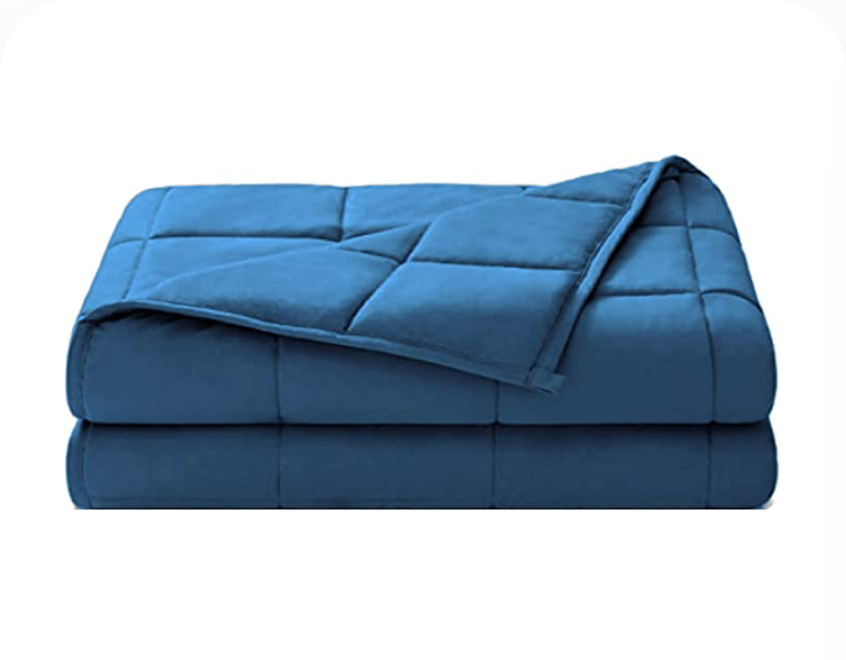
Even, constant pressure on the bodyrper.Wird Many people find it reassuring because it is predictable.
👉 The connection to weighted blankets.
Transition (day → night)
The often underestimated period between activity and Schlaf.Fehlt This transition makes falling asleep difficult.
How these terms are related
Almost all sleep problems have one thing in common: 👉 The body remains in activation mode.
Sleep is not created by willpower, discipline, or "correct thinking." But by Regulation, safety and physical rest.
Understanding is the first step to peace.
You don't have to worry about your sleep reparieren.Oft Understanding what happens in the body is helpful.
👉 Discover support that relieves the body.
More sleep optimizers