Sleep problems | Understand causes & Find solutions




Tested for harmful substances

Anatomically adjustable

Removable cover
Unable to fall asleep – when the day ends but sleep doesn't begin
You are tired. Your body is lying in bed. And yet: Sleep doesn't come.
Lying awake at night, even though you are exhausted, is one of the most common sleep problems – and one of the most frustrating.
Why we can't fall asleep at night
Common reasons:
- internal stress & tension
- an active nervous system
- Too many stimuli until late in the evening
- lack of physical relief
👉 Falling asleep isn't a button. It is a transition that the body must go through.
Not falling asleep vs. not staying asleep – the difference
Unable to fall asleep: The body doesn't get a chance to rest in the evening.
Not sleeping through the night: Sleep begins, but remains unstable.
👉 Both challenges have different causes – and require different support.
Why tiredness alone is not enough
Being tired doesn't automatically mean being ready for sleep. Because:
- Fatigue = Exhaustion
- Sleep = Safety
👉 Only when the body feels safe does it let go.
What really helps when you can't fall asleep
The goal is not to "fall asleep quickly," but to wind down gently. Many people benefit from:
- fixed evening routines
- Light reduction & stimuli
- physical signals of rest
- consistent, predictable stimulation
Why the body initiates sleep
The body reacts to pressure, heat or cooling, calm materials, and reliability. Therefore, the following can be helpful:
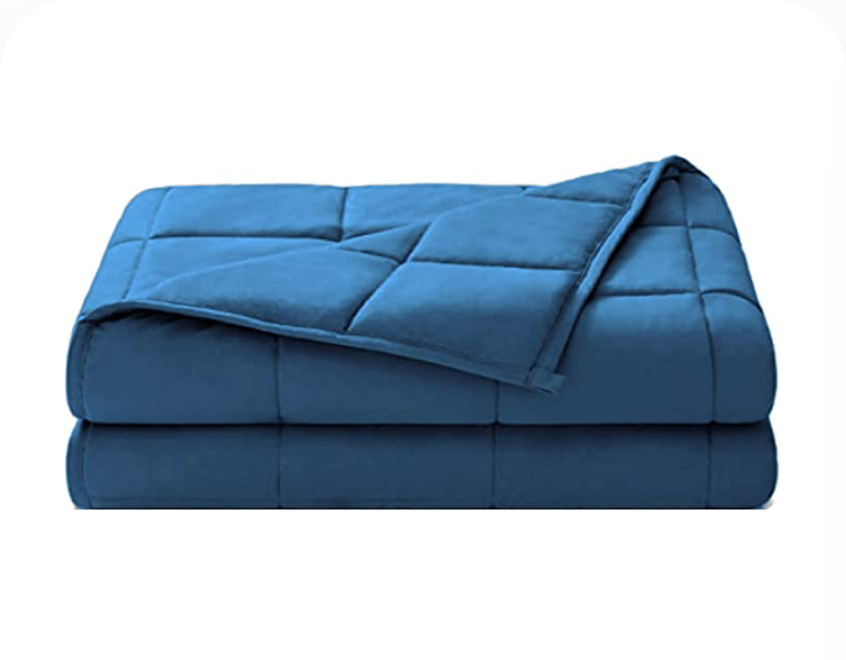
- Weighted blankets (for stop) & Limitation)
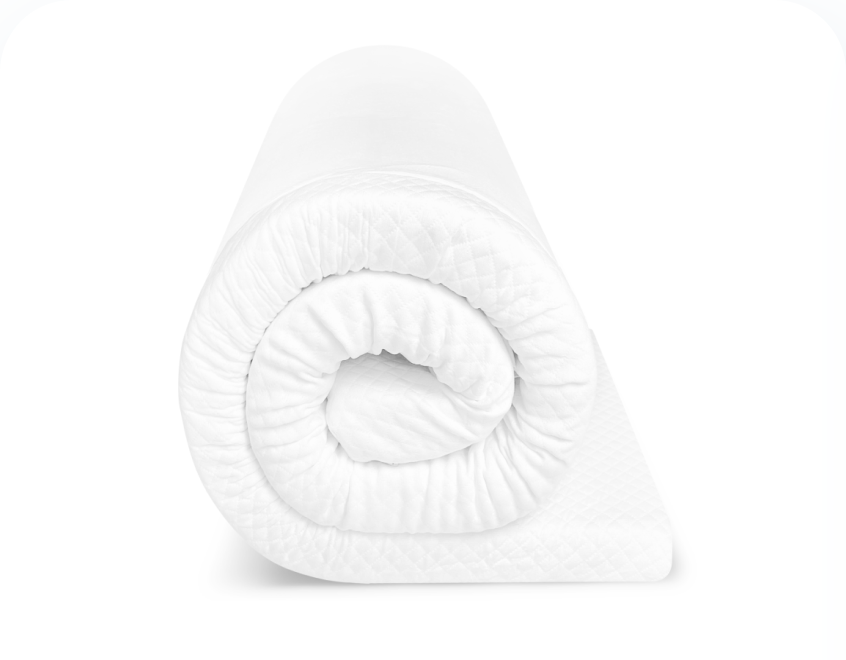
- breathable topper & References
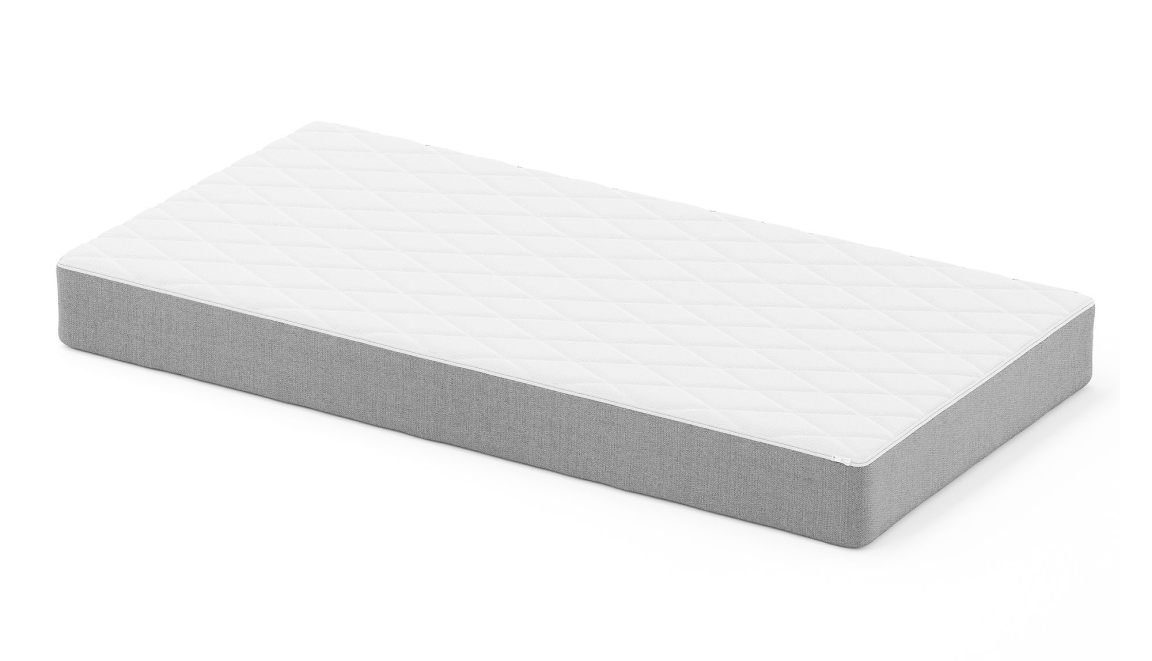
- a stable sleep environment
Falling asleep should be easy
If you have trouble falling asleep, it's rarely your fault. Often, your body simply lacks the right signals.
👉 Discover gentle support for falling asleep
More sleep optimizers